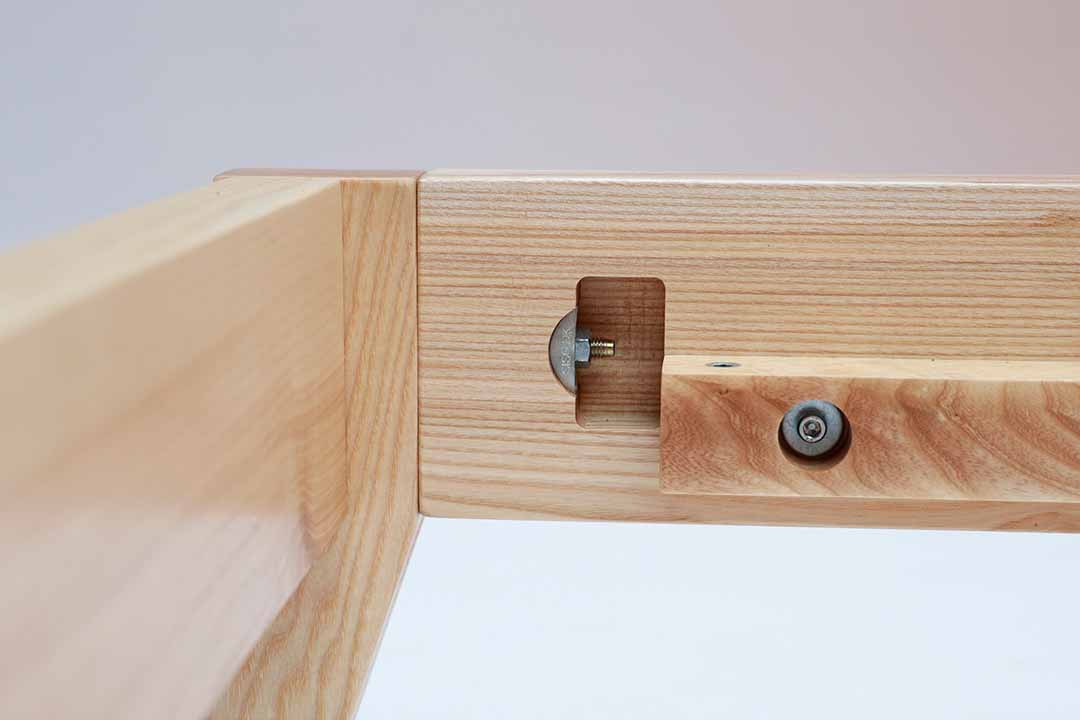
Solid wood: the secret of furniture that lasts for generations
Solid wood is valued around the world for its quality, durability and natural beauty. One of the greatest advantages of this material is how well it stands the test of time. If you want furniture that will last for decades without deteriorating, solid wood is the ideal choice. In this article, we look at why solid wood is so durable and how to care for solid wood furniture properly so you can enjoy it for generations.
Why is solid wood so durable?
Solid wood is made of solid, dense wood fibres, which give it remarkable resistance to wear and damage. There are several reasons behind the long-term durability of solid wood:
- Natural structure: solid wood has a complex internal structure, with interconnected fibres and layers of cells. This structure gives the wood a great capacity to withstand mechanical stress and changes in humidity and temperature.
- Density: solid wood, especially hardwoods such as oak, ash or mahogany, has a high density, which gives it great resistance to bending, breaking and warping.
- Dimensional stability: solid wood has good dimensional stability, meaning it does not shrink or swell significantly with changes in humidity and temperature. This allows it to resist cracking and warping better than other materials.
Solid wood furniture that lasts for hundreds of years
There are many examples of solid wood furniture that has lasted for hundreds of years and still looks stunning. These old pieces show that solid wood, if properly cared for, can last for generations.
To make sure your solid wood furniture lasts just as long, it’s important to follow a few maintenance and care tips:
- Regular cleaning: clean solid wood furniture with a soft, dry or slightly damp cloth. Avoid abrasive or highly alkaline cleaning products, as they can damage the surface of the wood.
- Protection from humidity and extreme temperatures: avoid exposing solid wood furniture to excessive humidity and extreme temperatures, as these can cause the wood to crack or warp. Keep furniture a safe distance from heat sources such as radiators, and don’t expose it to direct sunlight for long periods.
- Humidity control and ventilation: keep indoor humidity between 40% and 60% to prevent the wood from swelling and shrinking. Air your rooms regularly to let air circulate and avoid a build-up of moisture.
- Applying a protective layer: apply a protective layer, such as wax, lacquer or oil, to solid wood furniture to protect it from stains, scratches and other damage. Reapply it as recommended by the manufacturer, or when you notice the surface losing its sheen.
- Repairing scratches or damage: if your solid wood furniture has scratches or other minor damage, these can be repaired with a wood repair kit or by polishing and renewing the protective layer.
By following these care and maintenance tips, your solid wood furniture can last for decades or even centuries without deteriorating. Investing in a bed, a table or any other piece of solid wood furniture means you’ll enjoy durability and beauty that future generations will appreciate.